Cultivating Change
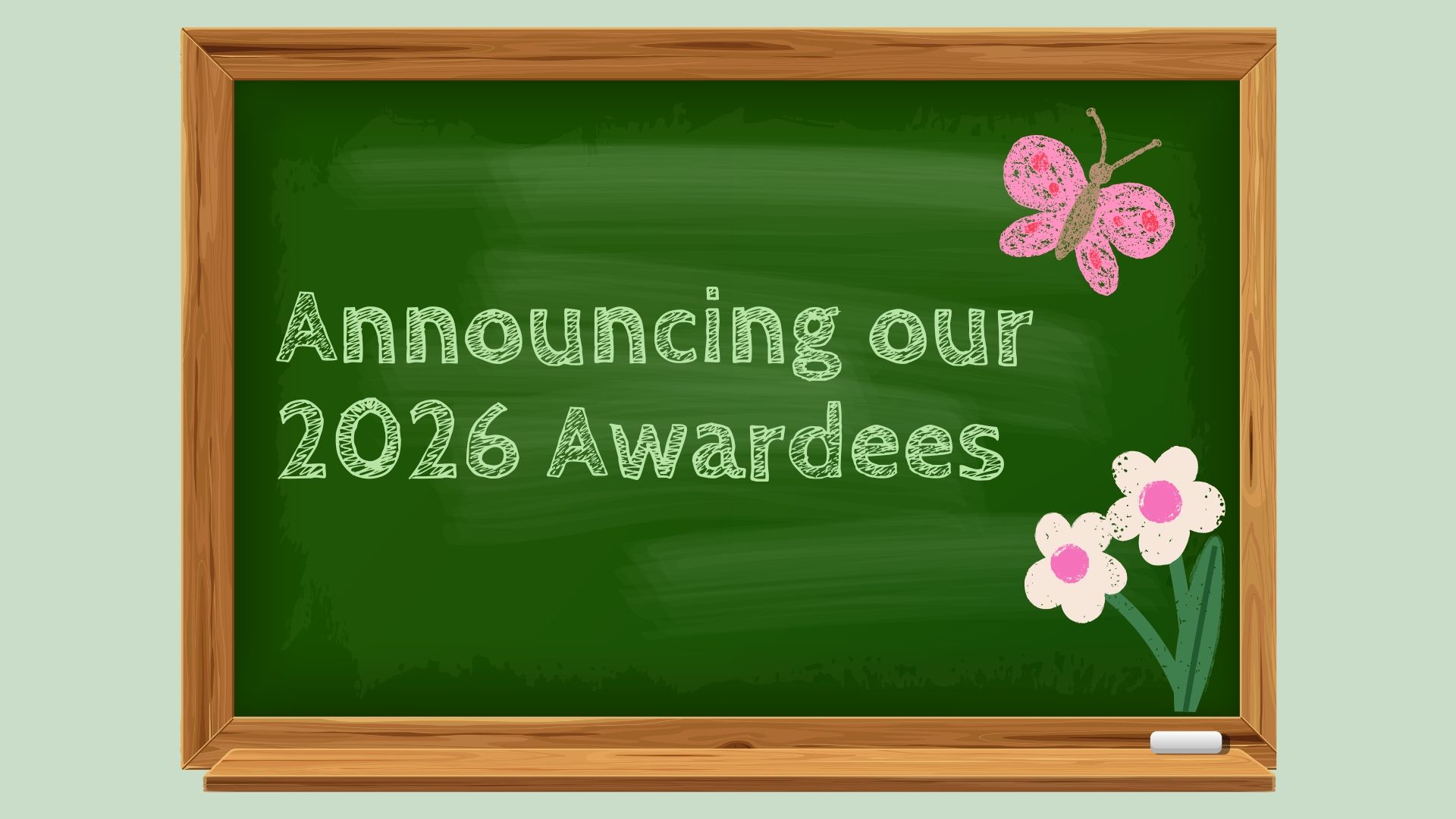
Celebrating 2026 Formal Educator Award Nominees
Environmental education is not a single lesson, a single garden, or a single grant. It is a sustained, creative, and courageous commitment. This year’s nominees for Formal Educator of the Year remind us that environmental education thrives when it becomes an integral part of the educational process.
Formal Educator of the Year
Presented for outstanding, ongoing effort in infusing environmental education into teaching.
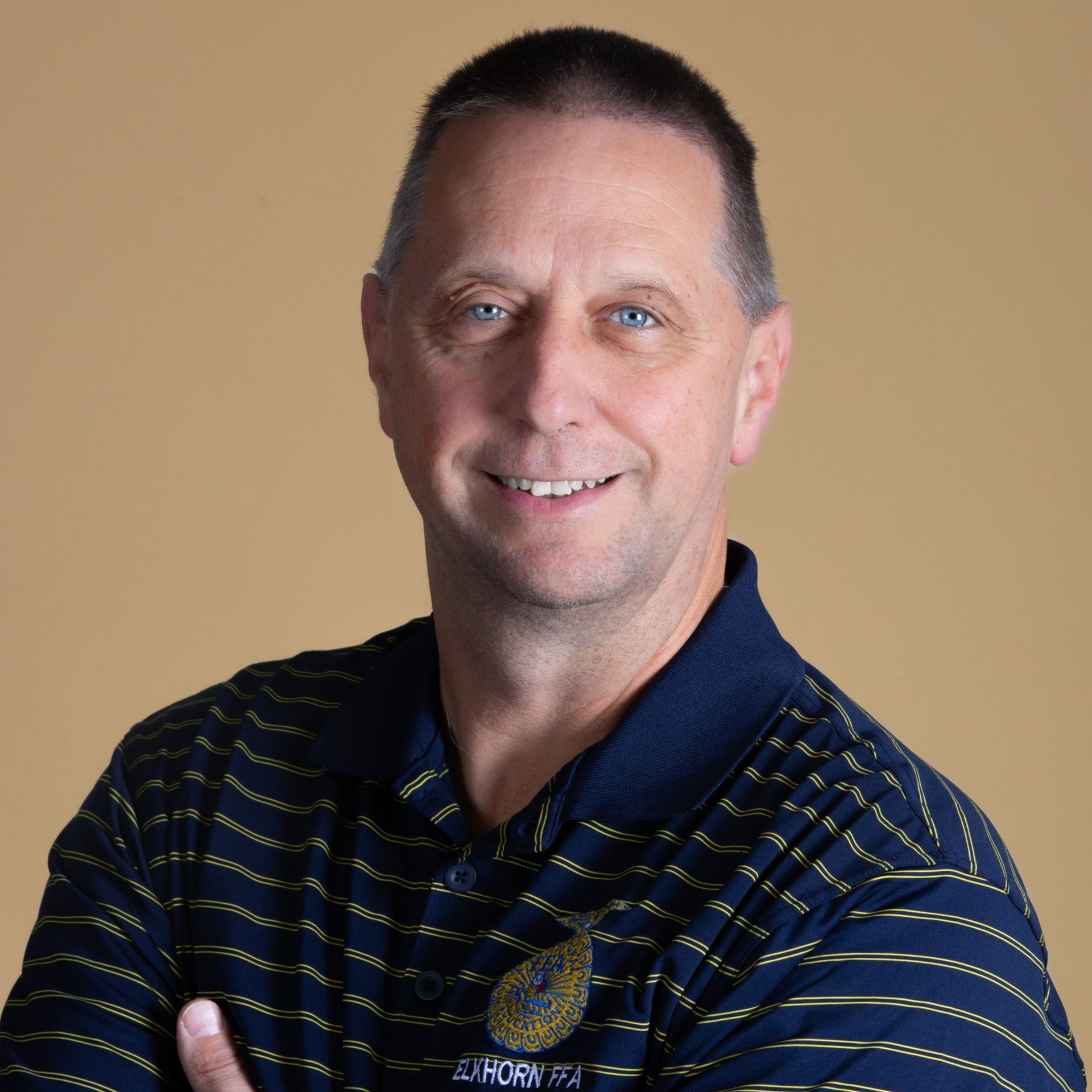
David Kruse
“Although I have always enjoyed spending time outdoors, I am experiencing a new awareness and excitement for helping others learn from nature.”
At Elkhorn Area School District, David Kruse has transformed environmental education into lived experience. Teaching Forestry, Wildlife, Natural Resource Management, and Environmental Sustainability, he integrates sustainability across agriculture education while creating tangible learning opportunities.
He mentored a student in securing approval and funding for a 10kW solar array that now powers 75% of his agriculture classroom, a project that sparked state-winning FFA teams. He helped establish three district school forests and manages the 26-acre Market Street School Forest, expanding trails, removing invasive species, and launching AgVentures–Forestry for 200 first graders annually. Accessibility drives his leadership including securing a motorized all-terrain wheelchair so all students can access outdoor learning spaces.

Tiffany Lodholz
“She connects every student to their community through meaningful conservation work.”
Tiffany Lodholz exemplifies what it means to connect inquiry with action. As a Field Advisor, she designs immersive, community-based environmental learning experiences - from monarch tagging and water quality monitoring to invasive species removal.
She leads renewable energy inquiry units, secured the Green & Healthy Schools Sugar Maple School designation, and guided students through NASA TechRise and Plant the Moon projects. Through partnerships with the Ice Age Trail Alliance and Friends of John Muir, students have built boardwalks, restored prairies, and maintained natural playgrounds. Her work demonstrates that environmental education is not just content — it is contribution.

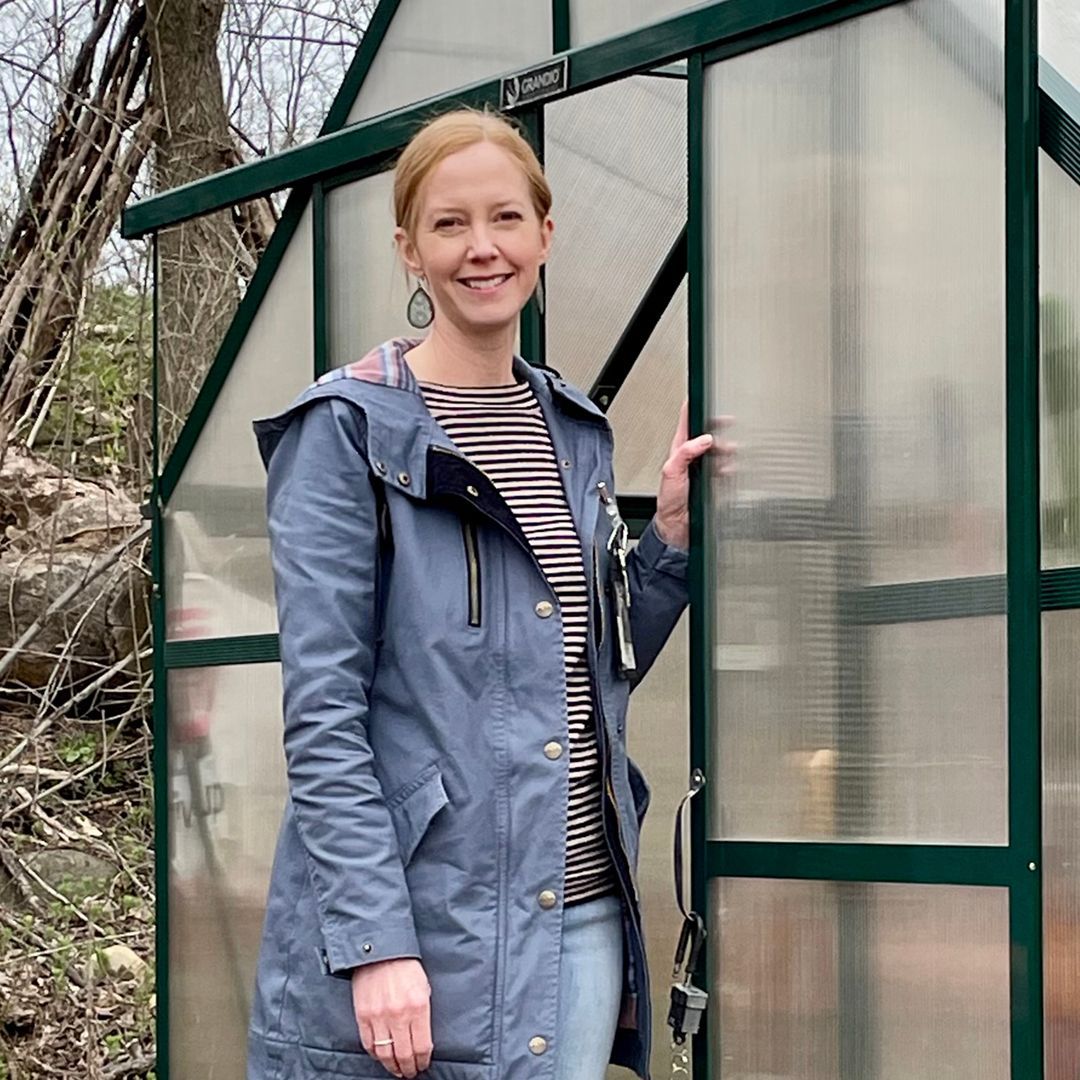
Rachel Weiss
“The goal is to use the outdoors as a natural classroom to teach children to play in, learn about, and enjoy nature.”
At Magee Elementary in Genesee Depot, Rachel Weiss has built something extraordinary from the ground up - Forest 4K, a nature-based preschool program rooted in inquiry, play, and daily outdoor immersion.
Rain or shine, her four- and five-year-olds explore 20 acres of forest, prairie, gardens, greenhouse spaces, and trails. Through hands-on discovery, storytelling, and observation of flora and fauna, Rachel cultivates curiosity and environmental respect at the earliest stages of learning. Her model has drawn national visitors and expanded to two sections due to demand. Beyond her classroom, she has inspired colleagues, secured grants, and strengthened community partnerships.
Emily Vertacnik
“Outdoor education should begin at age three and continue throughout a student’s entire educational journey.”
At University School of Milwaukee, Emily Vertacnik ensures environmental education begins at age three and grows alongside students for 15 years.
As an outdoor education specialist for Preschool and Junior Kindergarten, Emily designs developmentally rich lessons that integrate sensory exploration, seasonal observation, literacy, math, and social-emotional growth. Her leadership helped transform the school’s 125-acre campus into a living classroom across PK–12. From pond ecosystems to invasive species studies, she has embedded environmental literacy into the culture of the institution. Her vision ensures outdoor learning is not an “extra,” but a foundation.
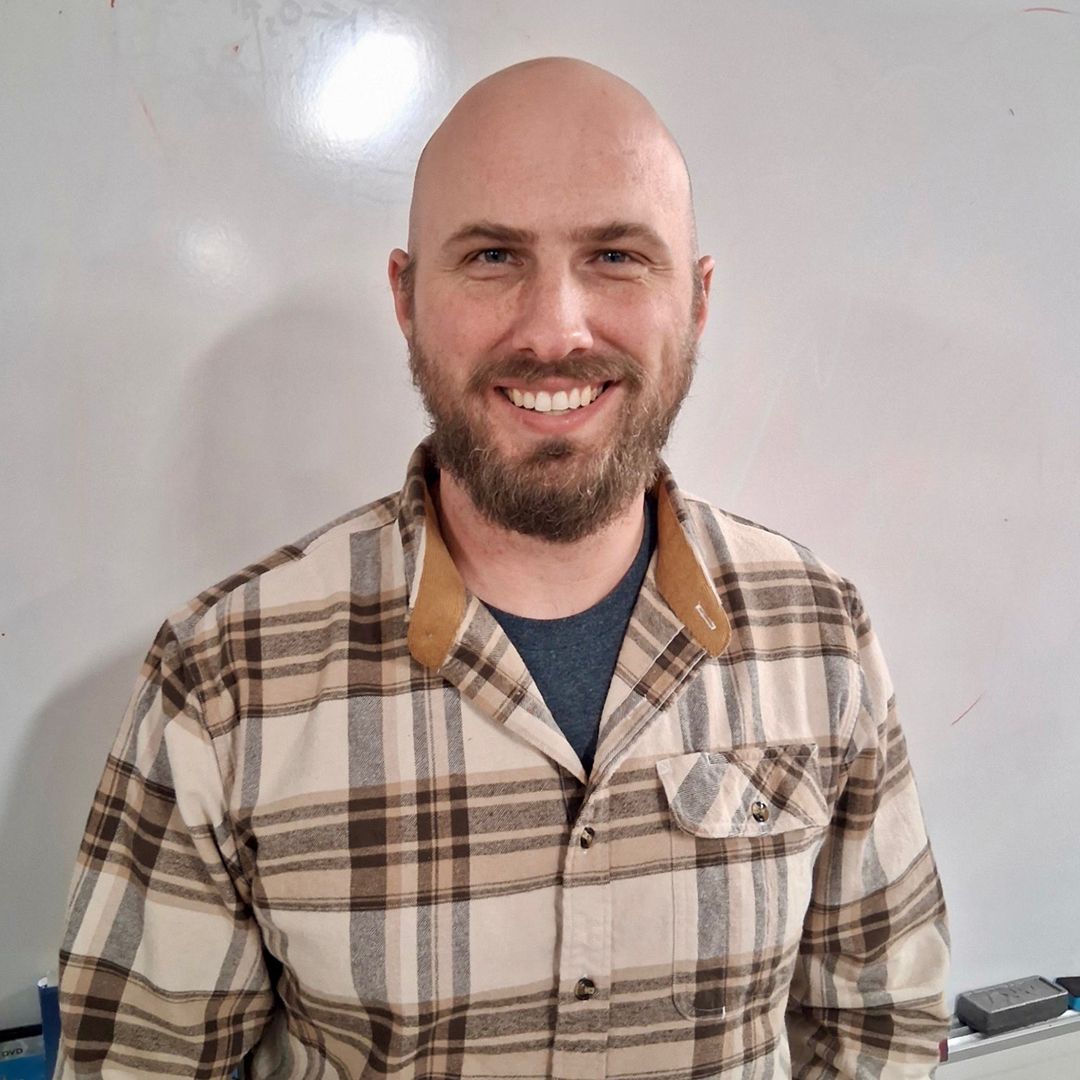
David Lorentz
“Students learn a great appreciation for the natural beauty and wonder of our state when they experience it themselves.”
For 12 years at Birchwood School District, David Lorentz has redefined what a traditional classroom can be. As a middle school science and social studies teacher and founding leader of the “Get Out There” program, he ensures every K–12 student experiences multiple outdoor learning opportunities annually.
From tapping trees in a local sugar bush to canoeing state rivers through his “Discover Wisconsin” summer program, David connects standards-based learning with authentic, place-based experiences. What began as one “Great Outdoor Day” has grown into a district-wide culture of outdoor exploration. His work ensures that even students with limited financial resources experience the natural beauty of Wisconsin.
We celebrate each educator for leading with purpose and ensuring that environmental education in Wisconsin continues to grow — rooted deeply, and reaching far.