Nature for All
Honoring the WAEE Eco-Justice Award Nominees
Eco-justice reminds us that environmental education is not just about teaching our next generation, it is about who has access, who feels welcome, and whose voices are centered in shaping our shared future. This year’s Eco-Justice Award nominees exemplify what it looks like to dismantle barriers to nature while building belonging, dignity, and opportunity.
From nature centers reimagined through accessibility, to culturally grounded community gatherings, to school forests transformed into spaces of equity and possibility, these leaders show that justice lives at the intersection of environmental education and care.

Wehr Nature Center
A Statewide Leader in Accessibility & Inclusion
Wehr Nature Center stands as a model for what accessibility leadership can look like when it is embedded into every layer of an organization. From the presence of a dedicated Accessibility & Inclusion Coordinator to free all-terrain wheelchairs, sensory support tools, adaptive programming, and accessible trails and overlooks, Wehr consistently asks: Who is missing, and how do we welcome them in?
“Their work encompasses individuals of all abilities—ensuring everyone can meaningfully engage with nature.”
Wehr’s commitment extends beyond physical access. Social stories, website accessibility tools, adaptive programming like SPARK for individuals with dementia and caregivers, veteran-specific programs, and emerging Braille signage demonstrate a holistic approach to inclusion. Rather than offering access as an add-on, Wehr has made it foundational, creating spaces where people feel prepared, respected, and supported before they even arrive.

Wi Gather Outside (WiGO)
Building Community and Culture Outdoors
Wi Gather Outside (WiGO) is reshaping Wisconsin’s environmental landscape by centering equity, cultural relevance, and joy. Rooted in the belief that nature belongs to everyone, WiGO intentionally dismantles barriers that have historically excluded Black and Brown communities from outdoor spaces.
Through Latino Conservation Week in Milwaukee—featuring events like Trails y Tacos, Biking y Birria, and Fotos y Flan—WiGO blends culture, language, food, and environmental stewardship into experiences that feel authentic and welcoming.
“WiGO ensures that everyone has a seat at the table and a voice in the conversation.”
In just three years, WiGO has mobilized more than 30 community partners, welcomed hundreds of participants, secured meaningful funding, and earned recognition as International Latino Conservation Week Partner of the Year. Their work demonstrates that eco-justice is not only about inclusion, its about understanding community needs and meeting individuals where they are.


Rachael Lewandowski-Sarette
Advancing Accessibility
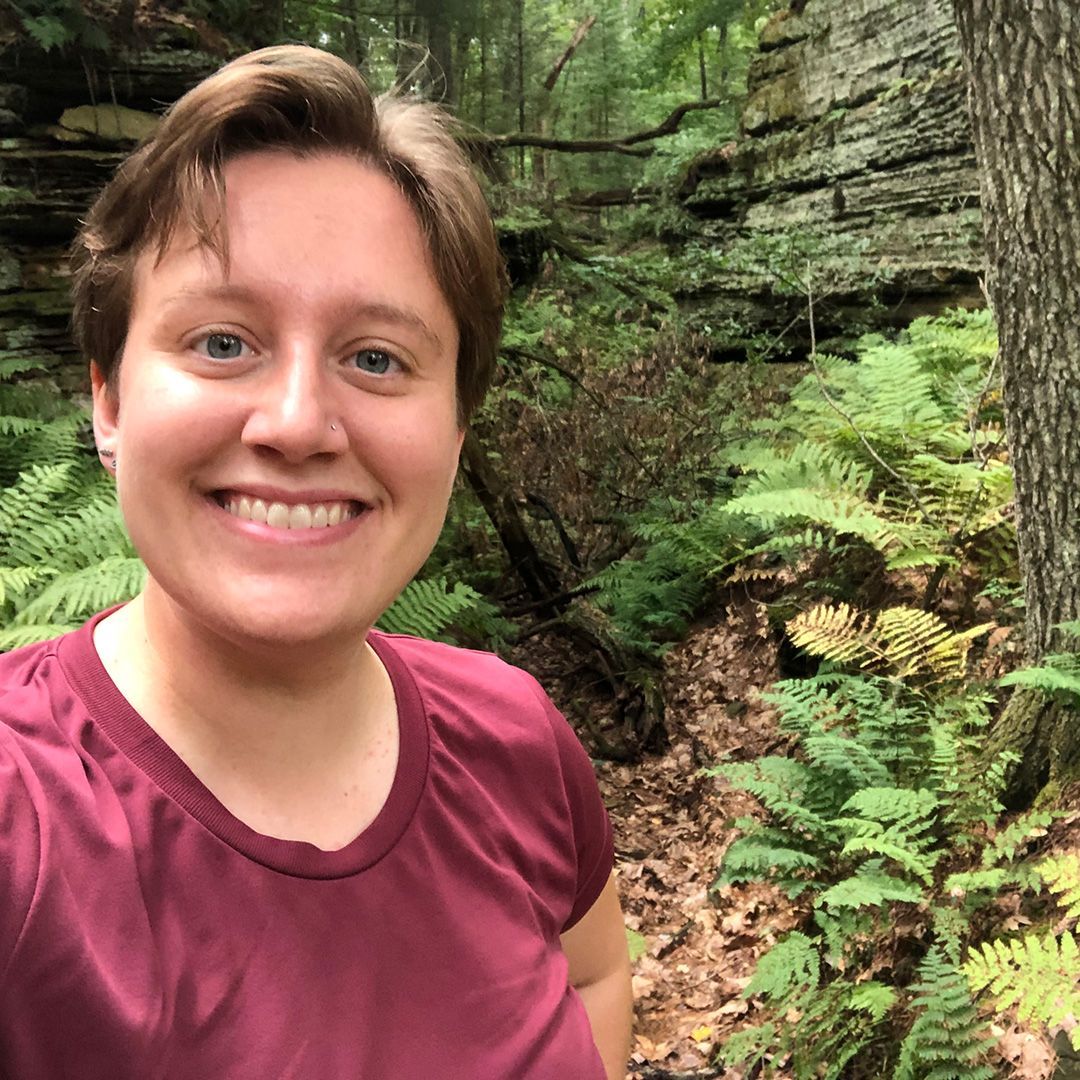
Rachael Lewandowski-Sarette is a justice-driven leader whose work has reshaped accessibility and inclusion within Wisconsin’s environmental education community and beyond. After recognizing gaps in disability inclusion at a WAEE conference, Rachael stepped forward to help change systems from the inside.
“Rachael models best practices while pushing the entire field toward deeper inclusion.”
Her leadership has resulted in tangible change: facilitating accessibility-focused community conversations, guiding statewide conference improvements, developing shared community agreements, creating an accessibility Moodle course, and expanding resources for 4-H families and educators. In her program leadership at Upham Woods, she responded directly to youth requests by launching a disability-specific summer camp, proving that listening itself is an act of justice. Rachael’s work reminds us that accessibility is not static; it is a continual practice of care, responsiveness, and shared responsibility.
James Kersten (Mr. K)
Cultivating Equity Through School Forests
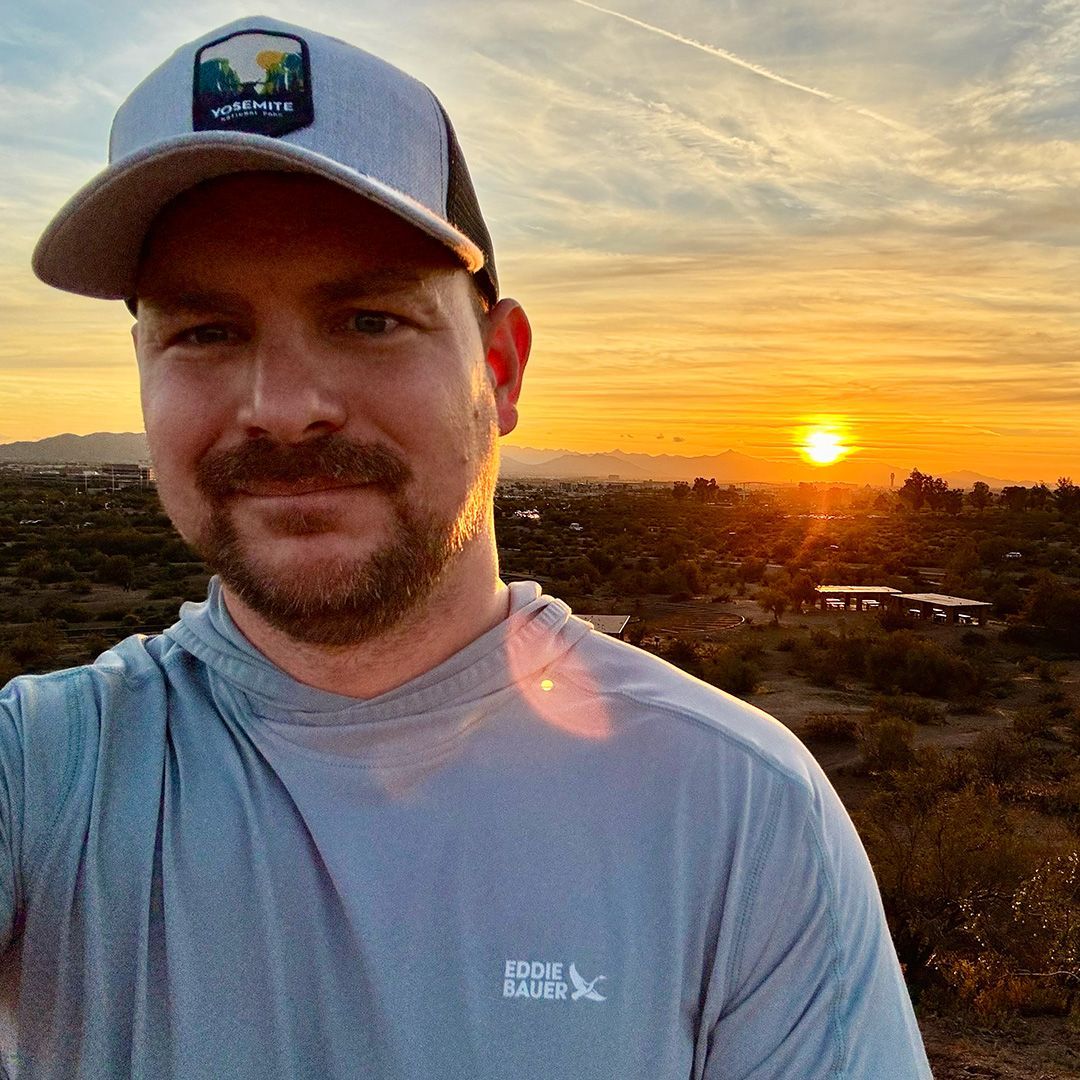
At Lake View Elementary School in Madison, one of the most diverse schools in the district, James Kersten has transformed the school forest into a powerful tool for eco-justice. Serving students from over 20 countries and 15 languages, Mr. K reimagined outdoor spaces as places where every child belongs.
“True eco-justice is found at the intersection of environmental stewardship and social equity.”
By expanding trails, creating outdoor classrooms, securing bicycles for students without access, and organizing volunteer stewardship days, Mr. K ensured that economic and linguistic barriers would not limit students’ connection to nature. The results speak volumes: a school serving one of the highest populations of economically disadvantaged and multilingual learners is also among the highest-performing academically. Mr. K’s work affirms that equitable environments don’t just support learning, they unlock it.
Together, these Eco-Justice Award nominees illustrate that environmental education is most powerful when it centers people and place. Their work challenges us to move beyond surface-level inclusion and toward systems that are intentionally designed for access, dignity, and connection. They remind us that eco-justice is not abstract, it is practiced daily through thoughtful design, deep listening, community partnership, and understanding that nature is for all. These leaders are shaping a future where everyone has the opportunity to build a meaningful relationship with the natural world.